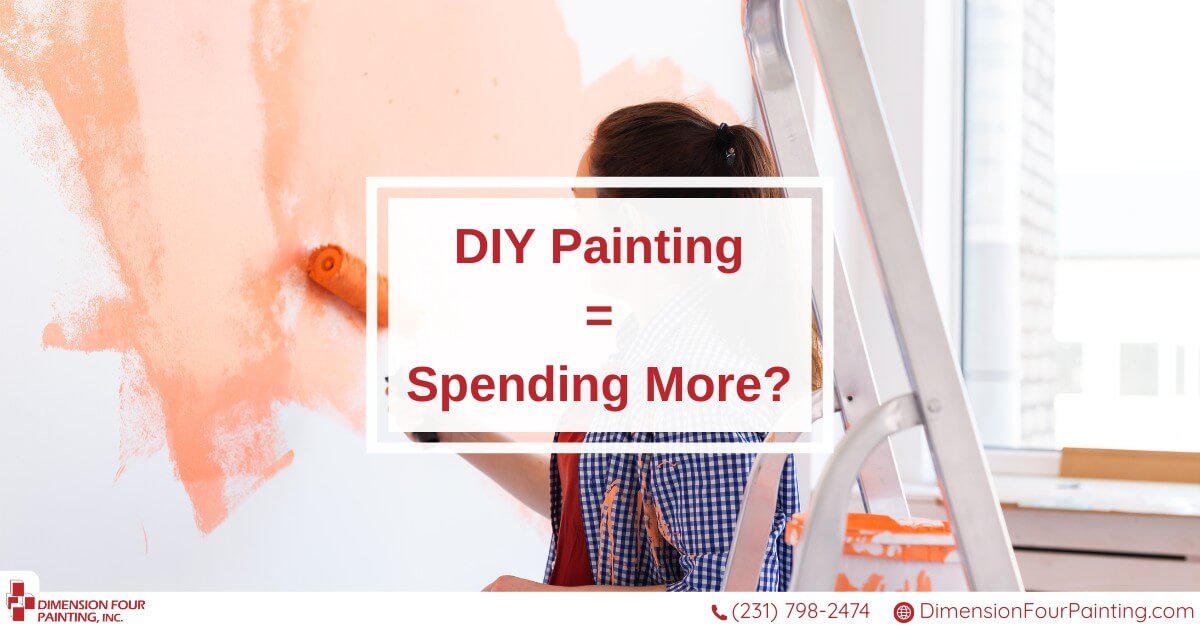
At first glance, DIY painting seems like a smart way to save money. You buy the paint, gather a few rollers, assign the work to your maintenance team, and avoid paying a professional contractor. For small touch-ups, that might make sense. But for a full commercial painting project, the math changes quickly.
Commercial buildings are not like homes. Offices, warehouses, medical facilities, retail spaces, and industrial buildings all come with bigger surfaces, stricter schedules, higher safety expectations, and more demanding coating requirements. What looks like a simple repaint can easily turn into delays, rework, poor coverage, damaged surfaces, and unexpected costs.
That’s why many businesses find that DIY painting costs more in the long run than hiring a professional. A qualified commercial painting contractor does more than apply color. They handle preparation, scheduling, coating selection, safety, protection, cleanup, and long-term performance.
If you’re considering handling a painting project in-house, here’s what to think about before you decide.
The Real Cost of DIY Commercial Painting
The biggest mistake businesses make is comparing only the obvious costs. Paint, rollers, tape, drop cloths, and labor may seem affordable when listed out at the start. But commercial painting has many hidden costs that don’t show up until the project is already underway.
DIY painting often leads to added expenses such as extra materials, wasted paint, surface repairs, equipment rentals, longer downtime, and repainting sooner than expected. If the job requires ladders, lifts, sprayers, containment, or specialty coatings, costs can rise even faster.
The real cost is not just what you spend to get paint on the wall. It’s what you spend to get the job done correctly, safely, cleanly, and without interrupting business operations.
This pattern is not limited to commercial projects. A Journal of Light Construction summary of an ImproveNet survey found that 63% of homeowners regretted at least one DIY project, and one in three eventually had to call a professional to fix the work. While commercial painting carries even higher operational and safety stakes, the lesson is the same: DIY work often becomes more expensive when the project takes longer, costs more, or needs to be corrected later.
Commercial Painting Requires More Than Basic Paint
A common DIY mistake is assuming all paint performs the same. In commercial buildings, the coating system needs to match the surface, traffic level, cleaning routine, and environment.
For example, an office hallway may need a low-odor, washable coating that can handle daily contact. A healthcare corridor may need a scrub-tough finish that tolerates disinfectants. A warehouse wall may require a more durable coating that resists scuffs, dust, and equipment impact. Industrial areas may need primers and coatings designed for moisture, corrosion, abrasion, or chemical exposure.
Using the wrong product can create problems quickly. Paint may stain easily, peel early, fail to bond, or require frequent touch-ups. A professional commercial painter helps select coatings based on performance, not just color.
Surface Preparation Is Where DIY Projects Often Fail
Most paint failures start before the first coat goes on. Surface preparation is one of the most important parts of any commercial painting project, but it’s also one of the easiest steps to underestimate.
Walls and surfaces need to be cleaned, patched, sanded, repaired, primed, and sometimes profiled before painting. In commercial spaces, surfaces may contain dust, grease, moisture, old coatings, adhesive residue, or damage from equipment and daily use. Painting over those issues may look fine at first, but the coating often fails sooner.
Here’s where professional preparation makes a major difference:
| Preparation Step | Why It Matters | What Can Go Wrong With DIY Painting |
| Cleaning and degreasing | Removes dirt, oils, and residue that block adhesion | Paint peels, bubbles, or does not bond evenly |
| Patching and repairs | Creates a smooth, stable surface | Cracks and dents show through the final finish |
| Sanding or profiling | Helps coatings grip properly | Paint wears unevenly or flakes early |
| Priming | Seals the surface and improves durability | Stains bleed through or topcoats fail faster |
| Moisture checks | Prevents trapped moisture from causing failure | Bubbling, peeling, and repeated repairs |
Skipping proper preparation may save time upfront, but it usually shortens the life of the entire project.
Downtime Can Cost More Than the Paint Job
For many businesses, the most expensive part of DIY painting is not the materials. It’s the disruption.
When employees are pulled away from their regular responsibilities to paint, productivity drops. If certain rooms, hallways, offices, or production areas are unavailable longer than expected, normal operations can slow down. Customers may notice blocked areas, odors, messy work zones, or unfinished sections.
Professional commercial painters plan around your schedule. That may include nights, weekends, phased work areas, or fast-dry systems that allow spaces to return to service quickly. The goal is to finish the project without slowing your business down.
DIY painting usually takes longer because the team doing the work is not painting every day. Mistakes, drying delays, extra trips for supplies, and rework all add time. A project that should take a weekend can stretch into multiple weeks.
Safety Risks Are Easy to Overlook
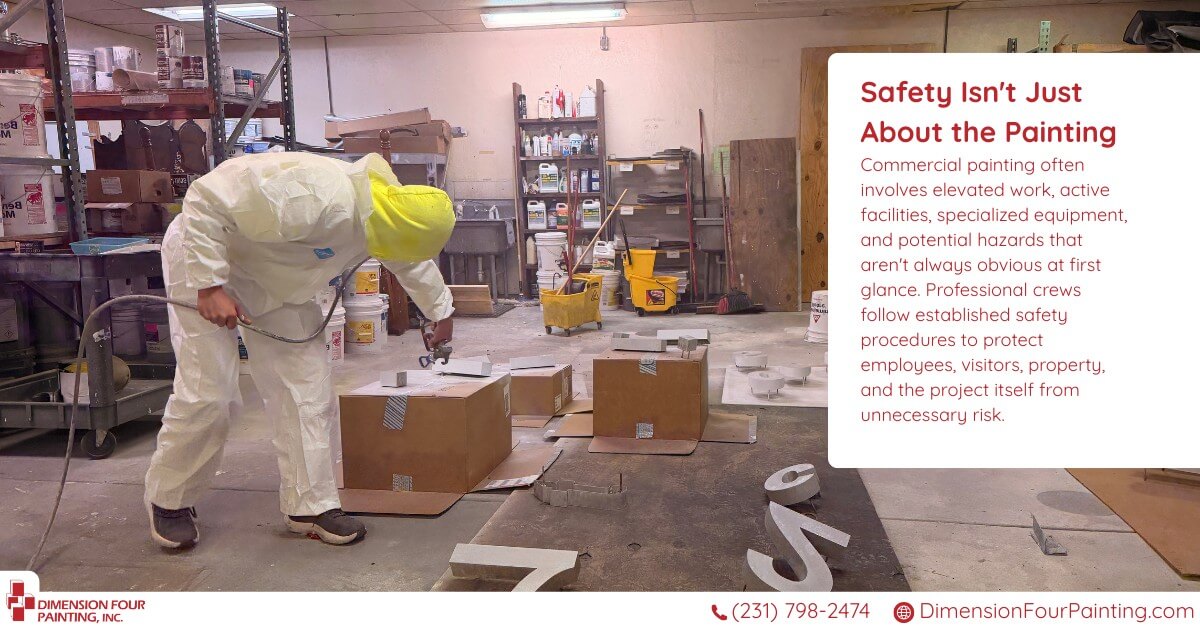
Commercial painting often involves more risk than people expect. High walls, stairwells, exterior surfaces, warehouses, equipment areas, and busy facilities all create safety concerns.
DIY painting may require employees to work from ladders, lifts, or elevated platforms. They may need to move heavy materials, handle solvents, manage ventilation, or work around customers, staff, machinery, or electrical systems. Without proper training and equipment, the risk of injury increases.
A professional commercial painting contractor understands jobsite safety. Crews know how to protect work areas, maintain clear walkways, use lift equipment, manage coatings safely, and reduce hazards for everyone in the building.
This matters because one accident can cost far more than the amount saved by avoiding professional labor.
DIY Painting Can Create an Unprofessional Finish
In a commercial space, quality matters because the finish represents your business. Uneven coverage, roller marks, crooked cut lines, missed edges, patchy color, or paint on trim and flooring can make a building feel poorly maintained.
A professional finish requires technique, consistency, and experience. Commercial painters know how to maintain clean lines, apply even coats, protect surrounding surfaces, and correct imperfections before they become visible. They also understand how lighting affects paint appearance, especially in offices, corridors, lobbies, and large open areas.
DIY painting may look acceptable from a distance, but commercial spaces are used every day by employees, customers, vendors, and visitors. Small flaws become more noticeable over time.
The Cost of Rework Adds Up Quickly
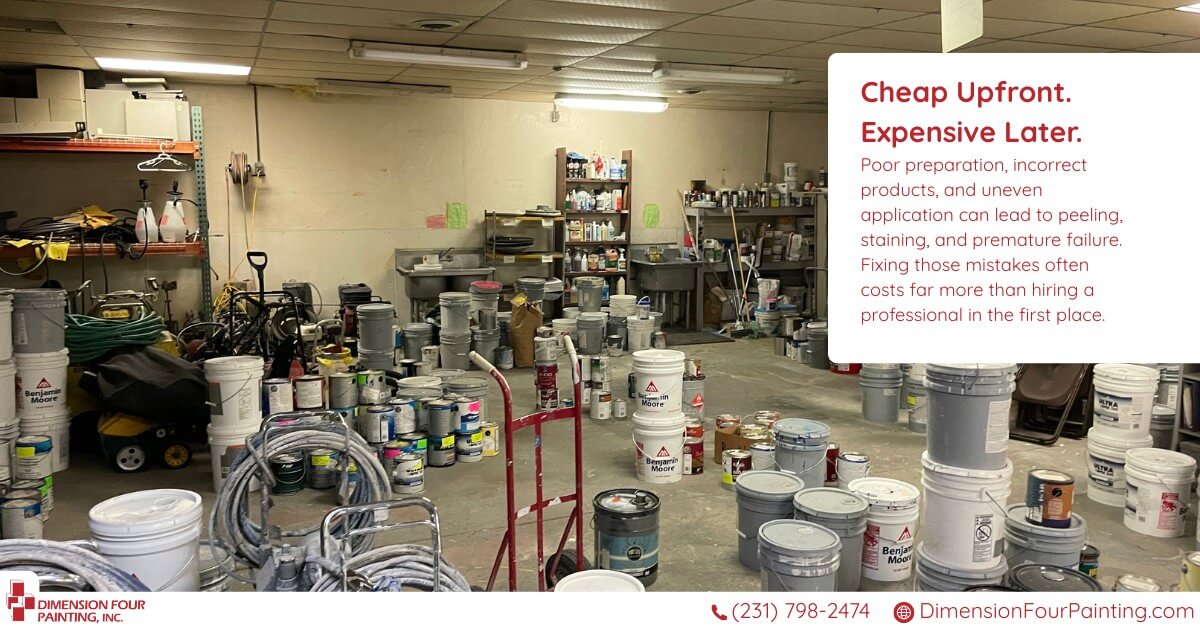
The biggest problem with DIY painting is that mistakes often require doing the job twice. If paint peels, stains bleed through, coverage looks uneven, or the coating doesn’t hold up, the space may need to be repaired and repainted sooner than expected.
Rework is expensive because it involves removing or correcting the failed coating, preparing the surface again, buying more materials, and disrupting operations a second time. In some cases, poor DIY work makes the professional repair more expensive because the contractor has to fix the previous coating system before applying a new one.
That’s why the cheapest approach upfront is not always the most affordable over time. A professional commercial painting project is built to last longer, require fewer touch-ups, and reduce maintenance headaches.
When DIY Painting Might Make Sense
Not every painting task requires a professional crew. DIY or in-house maintenance can make sense for very small touch-ups, minor scuffs, or low-visibility areas where the finish is not critical.
For example, touching up a small storage room or repainting a non-public utility space may be manageable if your team has the right paint and the surface is in good condition. But once the project involves large areas, customer-facing spaces, specialty coatings, high ceilings, tight schedules, or safety concerns, hiring a commercial painter becomes the smarter choice.
The key is knowing where the risk begins. If a failed paint job would affect your image, operations, safety, or long-term maintenance costs, it’s worth bringing in professionals.
Why Hiring a Commercial Painter Pays Off
Professional commercial painting delivers value because it solves problems before they happen. A qualified contractor evaluates the space, recommends the right coating system, prepares surfaces properly, protects your property, works around your schedule, and delivers a cleaner finished result.
You also get accountability. A professional team provides a clear scope, schedule, process, and final walkthrough. That gives you confidence that the work was done correctly and that your building is protected for the long term.
For businesses, this is the real advantage: less guesswork, less disruption, and fewer surprises.

Final Thoughts: DIY Painting Is Not Always the Cheaper Option
DIY commercial painting may look like a cost-saving move, but it can quickly become more expensive once you account for preparation, safety, downtime, materials, mistakes, and early repainting. Commercial spaces need coatings that perform, schedules that protect operations, and finishes that reflect your business well.
Hiring a professional commercial painter helps you get the job done right the first time. It protects your building, saves time, reduces disruption, and delivers a finish built for real commercial use.
Ready to protect your facility and avoid costly painting mistakes?
📞 Call 231-798-2474 today to discuss your project, or request your free, no-obligation commercial painting estimate online. Let’s get your business looking its best with a professional paint job built to last.