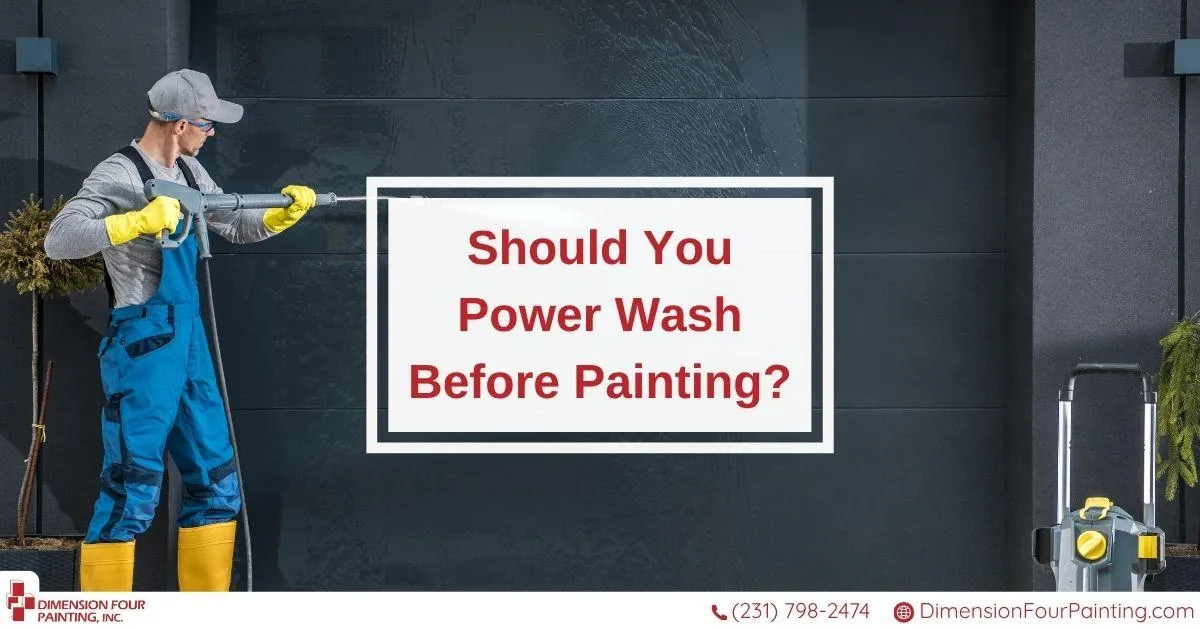
If you are preparing to repaint a commercial building, one of the first questions that may come up is whether you should power wash before painting.
In many cases, the answer is yes.
Commercial exteriors collect dirt, dust, mildew, algae, chalky paint residue, road salt, grease, and other contaminants over time. Even when a surface looks reasonably clean from a distance, these materials can interfere with how well new paint bonds to the building.
Painting over a dirty surface may produce a fresh appearance temporarily, but the coating is only as strong as the surface underneath it. If paint is applied over loose material, contamination, or deteriorating coatings, premature peeling and adhesion problems can follow.
That is why professional commercial painters often treat washing as an important part of exterior surface preparation rather than an optional cleaning step.
Why Cleaning Matters Before Exterior Painting
Paint needs a clean, stable surface to bond correctly. Exterior walls are constantly exposed to weather and environmental contaminants. In West Michigan, commercial buildings also deal with snow, rain, humidity, freeze-thaw cycles, road salt, pollen, and seasonal debris.
Over time, these materials form a layer between the existing surface and the new coating. If that layer is not removed, the new paint may bond to the dirt rather than the building itself. Once the contamination loosens, the paint can come off with it.
Proper cleaning gives the new coating a better foundation and allows the contractor to see the actual condition of the substrate before repairs and painting begin.
What Does Power Washing Remove?
Commercial power washing can remove much more than visible dirt. Depending on the surface and cleaning method, it can help eliminate:
- Dirt and airborne grime
- Mold, mildew, and algae
- Chalky residue from aging paint
- Loose or flaking coating material
- Road salt and winter buildup
- Grease and oily residue
- Cobwebs and organic debris
- Dust around loading docks and industrial areas
- Surface contaminants that interfere with adhesion
The goal is not necessarily to strip the building down to bare material. The goal is to remove anything unstable or contaminated that could prevent the next coating from bonding correctly.
How Power Washing Helps Paint Last Longer
A new exterior coating may look excellent immediately after application even if the surface underneath was poorly prepared.
The difference often becomes visible months or years later.
Paint applied over clean, sound material has a much better opportunity to adhere evenly and withstand weather exposure. Cleaning also helps primers and topcoats interact directly with the substrate rather than sitting on top of dirt or deteriorated paint.
This can reduce the risk of:
- Premature peeling
- Blistering
- Flaking
- Uneven adhesion
- Early coating failure
- Repeated touch-ups
For commercial property owners, that translates into fewer maintenance cycles and better value from the painting project.
Should Every Commercial Building Be Power Washed Before Painting?
Not necessarily.
Power washing is common, but the correct preparation method depends on the building material, surface condition, existing coating, and type of contamination.
Some surfaces tolerate controlled pressure washing very well. Others may require lower pressure, soft washing, hand cleaning, or another preparation method.
A professional contractor should evaluate the building before deciding how aggressively it should be cleaned.
Here is a general guide:
| Surface | Typical Cleaning Approach |
|---|---|
| Concrete and masonry | Controlled power washing |
| Concrete block | Power washing with appropriate pressure |
| Metal siding | Lower pressure with suitable cleaners |
| Stucco | Gentle washing or soft washing |
| Painted exterior surfaces | Controlled washing to avoid removing sound paint |
| Delicate finishes | Low-pressure or alternative cleaning methods |
| Greasy industrial surfaces | Degreasing plus appropriate washing |
The safest approach is always based on the substrate rather than using the same pressure setting everywhere.
Power Washing vs. Soft Washing
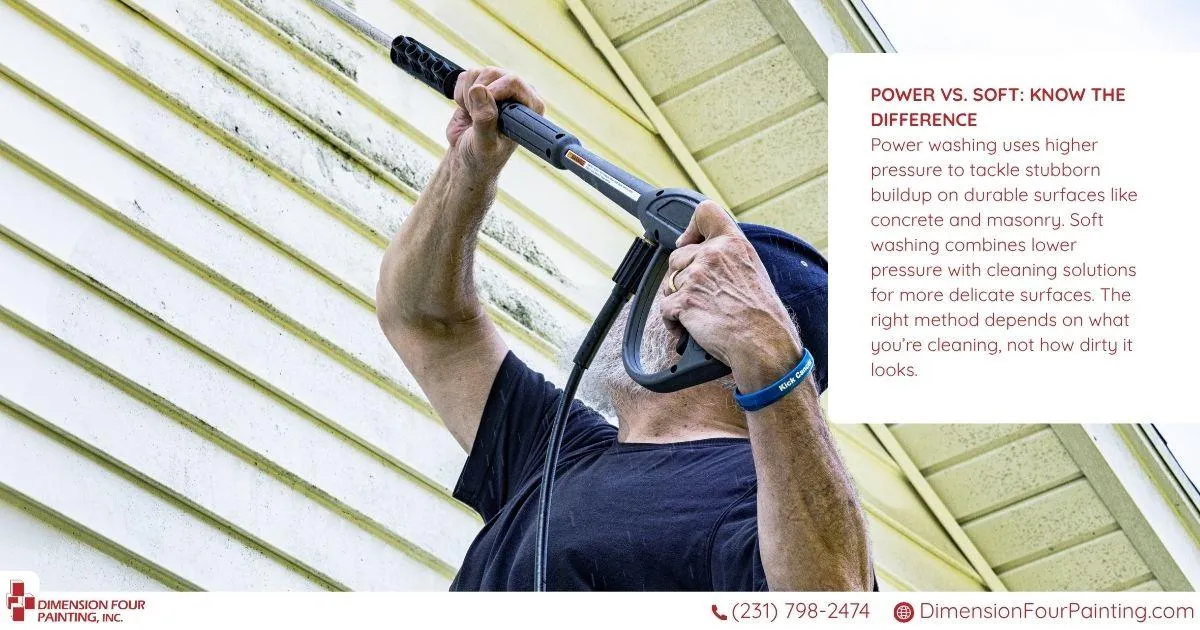
Power washing and soft washing are not the same thing. Power washing relies on pressurized water to loosen contaminants from the surface. It is useful for durable materials and areas with stubborn buildup.
Soft washing uses lower pressure combined with cleaning solutions to break down dirt, mildew, algae, and organic growth. It is often more appropriate for surfaces that could be damaged by aggressive pressure.
A commercial painting contractor may use both methods on the same property.
For example, concrete near a loading area may benefit from stronger washing, while decorative exterior panels or sensitive finishes may require a gentler approach. The important part is selecting the cleaning method based on the building material.
Too Much Pressure Can Damage the Surface
Power washing is effective, but more pressure is not always better. Excessive pressure can damage masonry, gouge softer materials, force water behind siding, remove sound coatings, or leave visible marks on the building.
Older surfaces may be particularly vulnerable.
Pressure should be strong enough to remove contamination without damaging the substrate that needs to remain. This is one reason professional commercial power washing is different from simply renting a pressure washer and cleaning the building as aggressively as possible.
The operator needs to consider distance, nozzle selection, pressure, temperature, cleaning solution, and the condition of the surface.
Washing Can Reveal Problems Hidden Beneath Dirt
One useful benefit of washing is that it exposes the true condition of the building.
Heavy dirt and discoloration can hide cracks, failing caulk, rust, deteriorated coatings, damaged masonry, and other problems that should be corrected before painting. Once the surface is clean, the contractor can inspect it more accurately.
That inspection may reveal areas requiring:
- Scraping
- Sanding
- Crack repair
- Caulking
- Rust treatment
- Spot priming
- Masonry repair
- Removal of loose coatings
This makes power washing part of the preparation process rather than just a cosmetic cleaning service.
Power Washing Alone Is Not Complete Surface Preparation
Washing is important, but it should not be confused with complete paint preparation. A clean building may still require substantial work before painting can begin. Loose coatings may need scraping or mechanical removal. Cracks may need repair. Bare metal may require rust treatment and primer. Gaps around windows, doors, or joints may need new caulk.
The typical sequence may look something like this:
- Inspect the exterior
- Wash away contaminants
- Allow the building to dry
- Remove remaining loose paint
- Repair damaged surfaces
- Treat corrosion where necessary
- Caulk gaps and joints
- Prime exposed or repaired areas
- Apply the specified coating system
Each step prepares the building for the next.
Skipping one can reduce the performance of the finished paint job.
How Long Should You Wait After Power Washing Before Painting?
The surface needs to be sufficiently dry before painting begins. Painting too soon can trap moisture beneath the new coating. This may contribute to blistering, poor adhesion, discoloration, or premature coating failure.
Drying time varies depending on several factors, including:
- Building material
- Weather conditions
- Temperature
- Humidity
- Sun exposure
- Air movement
- How much water the surface absorbed
Porous materials such as masonry and concrete can retain more moisture than metal surfaces.
Rather than relying on a fixed number of hours, professional painters consider the actual condition of the substrate before applying primer or paint. The surface should be ready for the coating system being used.
What Happens If You Paint Over a Dirty Building?
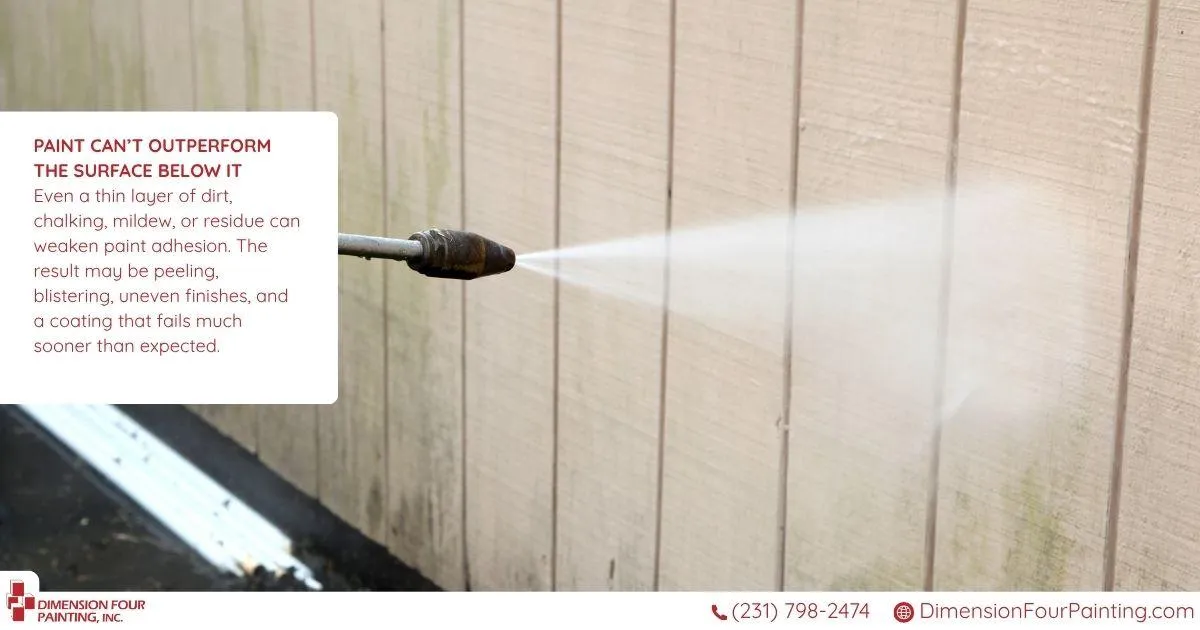
Sometimes property owners are tempted to skip washing because the building does not appear particularly dirty. The problem is that coating contamination is not always obvious.
A thin layer of dust, chalking, mildew, or pollution may be enough to interfere with adhesion even if the wall looks acceptable from several feet away.
When new paint is applied directly over contamination, several problems can appear later.
Peeling
The new coating may separate because it never achieved a strong bond with the substrate.
Blistering
Moisture or contamination beneath the coating may create bubbles.
Uneven Finish
Dirt and residue can cause differences in texture, sheen, and coverage.
Mildew Returning Through the Coating
If organic growth is not properly addressed, staining can return.
Shorter Coating Life
Even if immediate failure does not occur, poor preparation can reduce how long the paint system performs.
A little extra preparation before painting can prevent a much larger maintenance problem later.
Industrial Buildings May Need Additional Cleaning
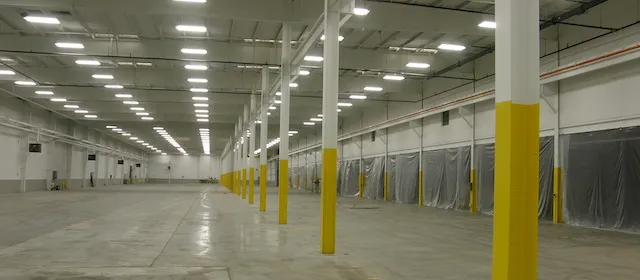
Factories, warehouses, loading areas, and production buildings often require more than ordinary washing. Industrial surfaces may accumulate grease, oil, exhaust residue, chemical deposits, dust, and other contaminants that water alone cannot remove effectively.
These surfaces may require specialized detergents, degreasers, hot-water washing, or additional mechanical preparation. For example, an exterior wall near a loading dock may have diesel residue and road grime. A manufacturing facility may have airborne oils around ventilation points. Metal structures may combine dirt with early corrosion.
In these environments, the contractor needs to identify what is contaminating the surface before selecting the cleaning method.
When Power Washing Makes the Most Difference
Some projects benefit especially strongly from pre-paint washing.
These include buildings with:
- Visible mildew or algae
- Chalky existing coatings
- Heavy road or industrial grime
- Salt buildup
- Long periods without exterior maintenance
- Loose surface contamination
- Masonry or concrete exteriors
- Loading docks and service areas
- Previous coating deterioration
The more exposed the building is to weather, traffic, and contaminants, the more important proper cleaning becomes.
Power Washing Can Also Help With Routine Maintenance
Commercial power washing does not have to wait until repainting is scheduled.
Routine exterior cleaning can help buildings stay presentable and may reduce the amount of contamination that accumulates over time.
Cleaning sidewalks, entrances, facades, loading areas, and other exterior surfaces can improve curb appeal while making it easier to identify developing maintenance issues.
For painted surfaces, regular cleaning can also help distinguish between a coating that is simply dirty and one that genuinely needs repainting.
Sometimes a professional wash restores enough of the appearance that repainting can be planned for a later maintenance cycle.
DIY Power Washing vs. Professional Surface Preparation
For a small concrete area, basic pressure washing may seem straightforward. Preparing an entire commercial building for paint is different.
The contractor needs to understand how cleaning affects the coating system that will follow.
Too little cleaning leaves contaminants behind. Too much pressure can damage the surface. The wrong detergent can create residue. Poor water management can affect entrances, landscaping, equipment, neighboring properties, or electrical components.
Professional commercial painters approach washing as one part of a larger preparation system. They are not simply trying to make the building look clean. They are trying to create the correct surface for the new coating.
The Best Paint Job Starts Before the Paint Is Opened
One of the most important lessons in commercial painting is that coating performance depends heavily on preparation.
The final color may be what everyone notices, but washing, repairs, priming, and surface preparation determine whether that finish remains attractive years later.
Taking the time to power wash before painting can remove contaminants, expose underlying problems, and help new coatings bond more effectively.
It is a relatively early step in the project, but it can have a major impact on the finished result.

Final Thoughts: Should You Power Wash Before Painting?
For many commercial exterior painting projects, power washing is an important part of proper surface preparation.
It removes dirt, chalking, mildew, salt, grime, and other contaminants that can interfere with coating adhesion. It also gives the painting contractor a cleaner surface to inspect before completing repairs, priming, and final application.
The key is using the correct cleaning method for the building.
Some surfaces can handle traditional power washing, while others require soft washing or lower-pressure techniques. A professional assessment helps determine what your facility actually needs.
Dimension Four Painting provides commercial painting and power washing services throughout West Michigan. We prepare exterior surfaces properly before applying new coatings so your building does not just look better when the project is finished, but stays protected for the long haul.
Ready to prepare your commercial building for a lasting paint job?
📞 Call 231-798-2474 today to discuss your project, or request your free, no-obligation commercial painting estimate online.
Let’s start with the right preparation and build a finish designed to last.