
A fresh coat of paint can make a clinic feel cleaner, calmer, and more professional. For patients, the environment matters. The colors, finishes, cleanliness, and overall condition of your space can influence how comfortable people feel the moment they walk through the door.
But clinic painting is not as simple as closing a room, covering the floor, and painting the walls. Clinics are active healthcare environments. Patients are checking in, staff are moving between rooms, providers are seeing appointments, and sensitive equipment needs to stay protected. A painting project has to improve the space without interrupting the care happening inside it.
That is why clinic painting requires planning, communication, and the right commercial painting team. A professional contractor understands that the goal is not just a better-looking building. The goal is a safer, cleaner, more comfortable space that supports patients, staff, and daily operations.
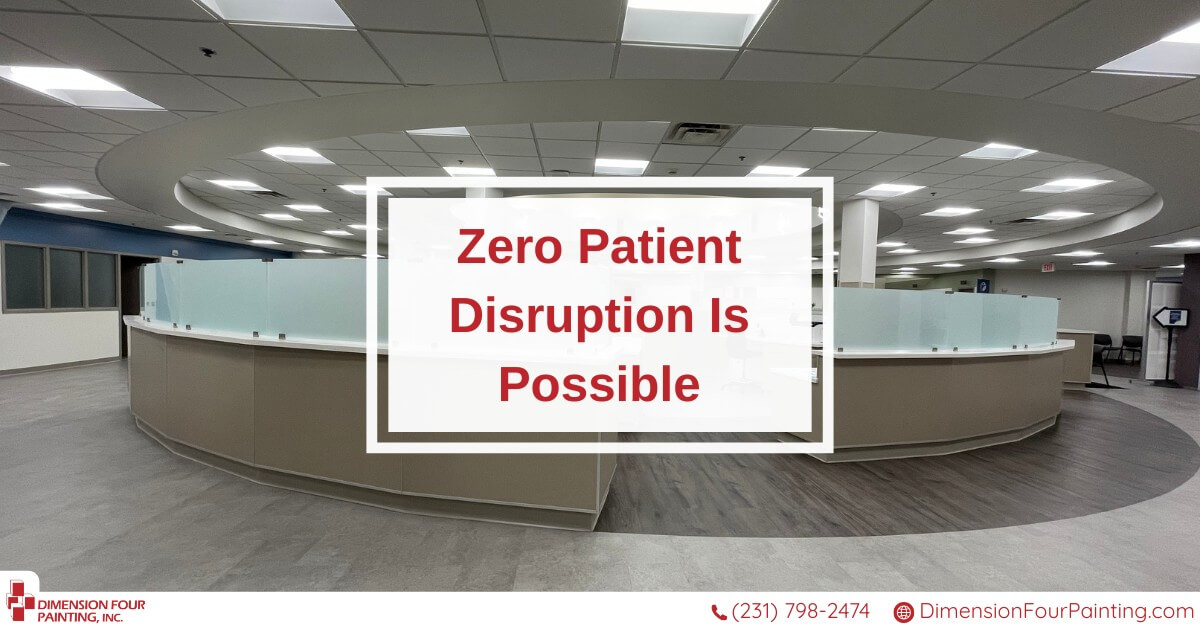
Why Clinic Painting Requires a Different Approach
Clinics have different painting needs than standard offices or retail spaces. A typical business may be able to close an area for a few days with minimal impact, but healthcare environments often need to remain fully operational while work is being completed.
Unlike many commercial buildings, clinics must account for:
- Patient appointments and daily schedules
- Waiting room traffic and patient flow
- Exam room availability
- Staff movement between departments
- Cleaning and sanitation requirements
- Medical equipment and sensitive areas
- Air quality and odor considerations
Even a small delay in the wrong area can create frustration for patients and staff. That is why professional clinic painting projects begin by understanding how the facility operates before determining when, where, and how the work should take place.
The same principle applies to health center painting and other healthcare environments. Whether it’s a family clinic, dental office, urgent care center, specialty practice, or community health center, the painting process must prioritize patient comfort, cleanliness, safety, and minimal disruption to care.
Start With a Patient-First Painting Plan
The best clinic painting projects start before any paint is applied. A contractor should first walk through the facility, identify priority areas, and understand how patients and staff move through the space. This helps determine which rooms can be painted during normal hours, which areas need after-hours scheduling, and which zones require extra protection.
For example, a waiting room may need to be painted after the clinic closes, while administrative offices may be completed during slower periods. Hallways may need to be phased so patients and staff always have a clear path through the building. Exam rooms may need to be completed one at a time so the clinic can continue seeing patients.
This planning stage is where disruption is either prevented or created. Without a clear plan, painting can interfere with appointments, create odor concerns, block access, or leave areas unavailable longer than expected. With the right plan, the project can move quietly in the background while the clinic continues operating.
Choose Low-Odor, Low-VOC Coatings
Paint selection matters in every commercial space, but it is especially important in clinics. Patients may include children, seniors, pregnant women, people with respiratory concerns, or individuals who are sensitive to odors. Staff also spend long hours inside the facility, so air quality and comfort should be part of the planning process.
Low-odor and low-VOC coatings are commonly used in healthcare environments because they reduce strong smells and help spaces return to service faster. These products are especially useful in waiting rooms, exam rooms, corridors, and staff areas where people may be present shortly after painting is completed.
A professional commercial painter will also recommend finishes based on how the space is cleaned and used. In many clinics, walls need to withstand frequent wiping, disinfecting, and daily wear. The right coating should not only look good on day one. It should hold up under real healthcare use.
Protect Patients, Staff, Equipment, and Adjacent Areas
Clinic painting requires more than protecting floors and furniture. Healthcare environments often contain sensitive equipment, medical supplies, computers, cabinets, built-in fixtures, signage, and patient-facing surfaces. Dust, overspray, paint splatter, or poor masking can create unnecessary cleanup and operational issues.
A professional painting crew should protect work areas carefully before painting begins. That may include plastic containment, floor protection, masking around fixtures, covering equipment, sealing off active work zones, and maintaining clear pathways for patients and staff. The goal is to keep the clinic safe, clean, and organized throughout the project.
This is one reason clinics should avoid treating painting as a simple maintenance task. A hospital painting company, medical facility painting contractor, or experienced commercial painter understands how important it is to protect the environment around the work, not just the surface being painted.
Plan Around Patient Flow and Appointment Schedules
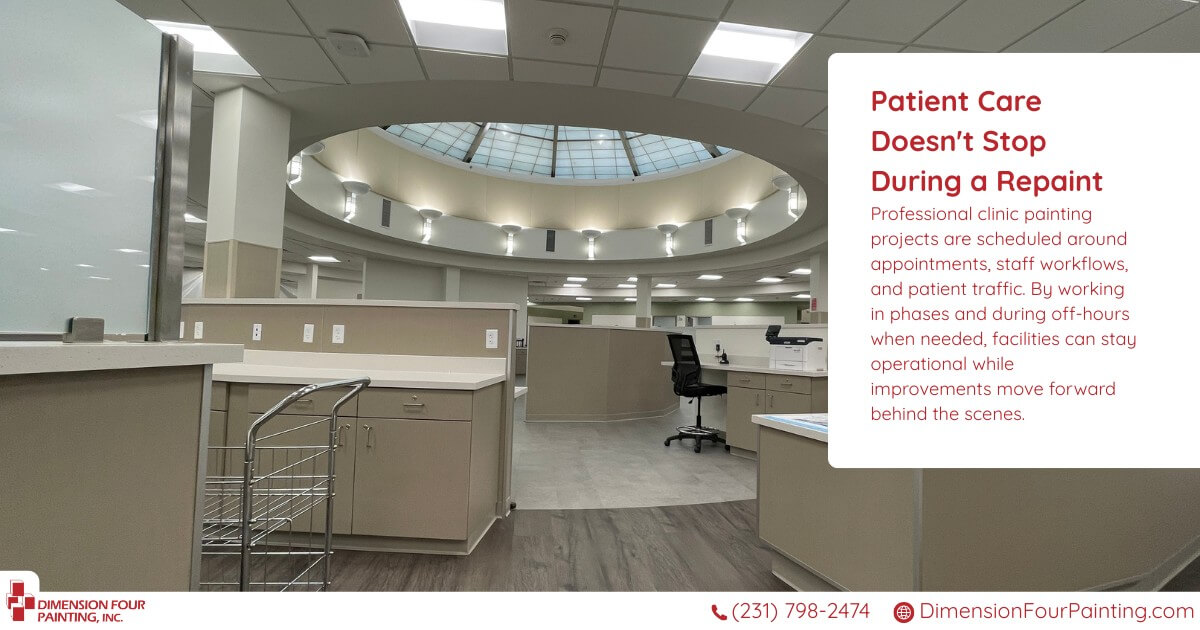
The most successful clinic painting projects are built around the clinic’s schedule. That may mean working evenings, weekends, early mornings, or during planned closures. It may also mean dividing the project into small phases so the facility never loses too much usable space at one time.
For clinics with steady appointment volume, phasing is often the best approach. Instead of painting the entire facility at once, the contractor can move through the building section by section. One group of rooms can be completed while the rest of the clinic remains open. Once those rooms are dry, cleaned, and ready to use, the next area can begin.
This type of schedule helps reduce confusion and keeps the project manageable for staff. It also helps avoid a situation where patients walk into a facility that feels unfinished, messy, or difficult to navigate.
Match the Paint System to Each Area
Not every part of a clinic needs the same paint. A waiting area, exam room, corridor, restroom, and staff break room all face different levels of wear, cleaning, moisture, and traffic. Choosing one basic product for every surface may seem simple, but it can lead to faster wear in high-use areas.
Here is a simple way to think about coating selection:
| Clinic Area | Common Challenge | Painting Consideration |
| Waiting rooms | High traffic and first impressions | Durable, low-odor finishes with welcoming colors |
| Exam rooms | Frequent cleaning and close patient contact | Washable coatings that handle routine cleaning |
| Corridors | Scuffs, carts, and constant movement | Scrub-tough finishes with strong durability |
| Restrooms | Moisture and cleaning exposure | Moisture-resistant coatings where appropriate |
| Staff areas | Daily use and comfort | Practical finishes that are easy to maintain |
| Reception areas | Branding and patient confidence | Clean lines, consistent colors, and professional appearance |
This is where professional guidance matters. Good clinic painting is not just about choosing a color. It is about matching the coating system to the way each space functions.
Use Color to Support Comfort and Trust
Color plays a bigger role in clinics than many people realize. A healthcare environment should feel clean and professional, but it should also feel calm and approachable. Harsh colors, outdated palettes, or inconsistent finishes can make a space feel less comfortable for patients.
Soft neutrals, muted blues, gentle greens, warm grays, and clean accent colors are often used in healthcare spaces because they can create a more relaxed atmosphere. Branded colors can also be used strategically in reception areas, accent walls, signage zones, or wayfinding areas.
The key is balance. A clinic should not feel cold or sterile, but it also should not feel overly bold or distracting. The right color plan can help patients feel more at ease while giving the facility a polished, professional appearance.
Keep Odor, Noise, and Cleanup Under Control
Patients may not see every part of the painting process, but they will notice odors, noise, blocked hallways, messy areas, or visible dust. These details can affect how professional and organized the clinic feels during the project.
A good painting contractor manages these details carefully. Crews should use appropriate coatings, control work zones, maintain tidy pathways, clean up daily, and communicate what areas will be affected. Supplies should be organized, wet paint areas should be clearly marked, and finished spaces should be returned to service in clean condition.
This is especially important for clinics that remain open during the project. Even when painting is happening after hours, the space needs to look ready for patients the next morning.
Communicate Clearly With Staff Before Work Begins
A clinic painting project affects more than the facilities manager or business owner. Front desk staff, providers, nurses, technicians, cleaners, and administrative teams may all need to know which areas are being painted and when.
Clear communication helps everyone prepare. Staff can adjust room assignments, guide patients through alternate routes, move sensitive materials, and avoid freshly painted areas. A good contractor should provide a clear schedule and update the clinic if anything changes.
This simple step prevents confusion. It also helps staff feel like the project is being managed professionally instead of being forced into their workday.
Know When to Hire a Professional Clinic Painter
Small touch-ups in low-visibility spaces may be manageable for an in-house maintenance team. But larger clinic painting projects should be handled by a professional commercial painting contractor, especially when patient-facing areas, low-odor coatings, tight schedules, or safety requirements are involved.
A professional team brings more than paint and labor. They bring planning, product knowledge, surface preparation, protection, scheduling, and accountability. That matters in healthcare settings where mistakes can disrupt care, affect patient comfort, or create extra work for staff.
For larger healthcare facilities, the same standards expected from a hospital painting company often apply to clinics and health centers too. The environment may be smaller, but the need for cleanliness, safety, and careful coordination remains just as important.
The Long-Term Value of Professional Clinic Painting
A clinic repaint should do more than refresh the walls. It should make the space easier to maintain, more comfortable for patients, and more professional for staff and visitors. When the right coatings are used, surfaces can stay cleaner, resist wear longer, and require fewer touch-ups over time.
Professional clinic painting also helps protect your brand. A well-maintained facility tells patients that your team pays attention to details. It creates confidence before the appointment even begins.
Most importantly, a well-planned project avoids unnecessary disruption. Your clinic gets the updated look it needs without turning the painting process into a burden for your patients or staff.

Refresh the Space Without Interrupting Care
Clinic painting requires a careful balance of appearance, safety, scheduling, and patient comfort. The right contractor understands how to work in active healthcare environments, protect sensitive areas, control odor, and complete the project with minimal disruption.
Whether you manage a clinic, health center, specialty practice, or larger healthcare facility, professional painting can help create a cleaner, calmer, and more welcoming environment for everyone who walks through your doors.
Dimension Four Painting provides commercial and medical facility painting services for businesses across West Michigan. With generations of painting experience and a process built around active facilities, our team helps clinics refresh their spaces while keeping daily operations moving.
Ready to update your clinic without disrupting patients?
📞 Call 231-798-2474 today to discuss your project, or request your free, no-obligation commercial painting estimate online. Let’s create a cleaner, more comfortable healthcare space built around your patients and staff.