A fresh coat of paint does more than improve appearance; it protects your building, supports your brand, and keeps your environment professional and functional. But one of the most common questions facility managers and business owners ask is:
When should you repaint?
Understanding when to repaint interior walls for upkeep in Michigan helps you stay ahead of wear and avoid costly repairs. Waiting too long can lead to visible damage, higher prep costs, and a poor impression on clients and employees.
This guide breaks down the clear signs your building needs repainting, and how to stay proactive instead of reactive.
Why Timing Matters More Than Most Businesses Think
Repainting isn’t just about aesthetics. Interior paint protects walls from moisture, wear, stains, and daily use. Over time, even high-quality coatings break down. When repainting is delayed too long, small issues like scuffs and discoloration turn into:
- Surface damage
- Staining that won’t clean off
- Peeling or adhesion failure
- Increased prep work before repainting
Staying ahead of repaint cycles keeps maintenance simple and predictable.
How Often Should You Repaint Interior Walls?
There’s no one-size-fits-all answer. The right timeline depends on how the space is used. Here’s a practical guideline for commercial environments:
| Area Type | Recommended Repaint Cycle |
| High-traffic areas (hallways, entrances) | Every 2–3 years |
| Offices and workspaces | Every 3–5 years |
| Healthcare or high-cleaning environments | Every 2–4 years |
| Low-traffic areas | Every 5–7 years |
These timelines assume regular paint maintenance. Without upkeep, repainting may be needed sooner.
Visible Signs It’s Time to Repaint
Even without tracking timelines, your building will show clear signs when repainting is needed. The key is recognizing them early.
1. Fading or Discoloration
Over time, painted surfaces begin to lose their original color. Walls may appear uneven, dull, or washed out, especially in areas exposed to sunlight or frequent cleaning. This is often one of the earliest and most noticeable signs that repainting should be scheduled.
This happens because paint pigments gradually break down under UV exposure and repeated cleaning. In commercial spaces with strong lighting or frequent maintenance, this process accelerates, causing certain areas to fade faster than others and creating an inconsistent appearance.
2. Scuffs, Marks, and Stains That Won’t Clean Off
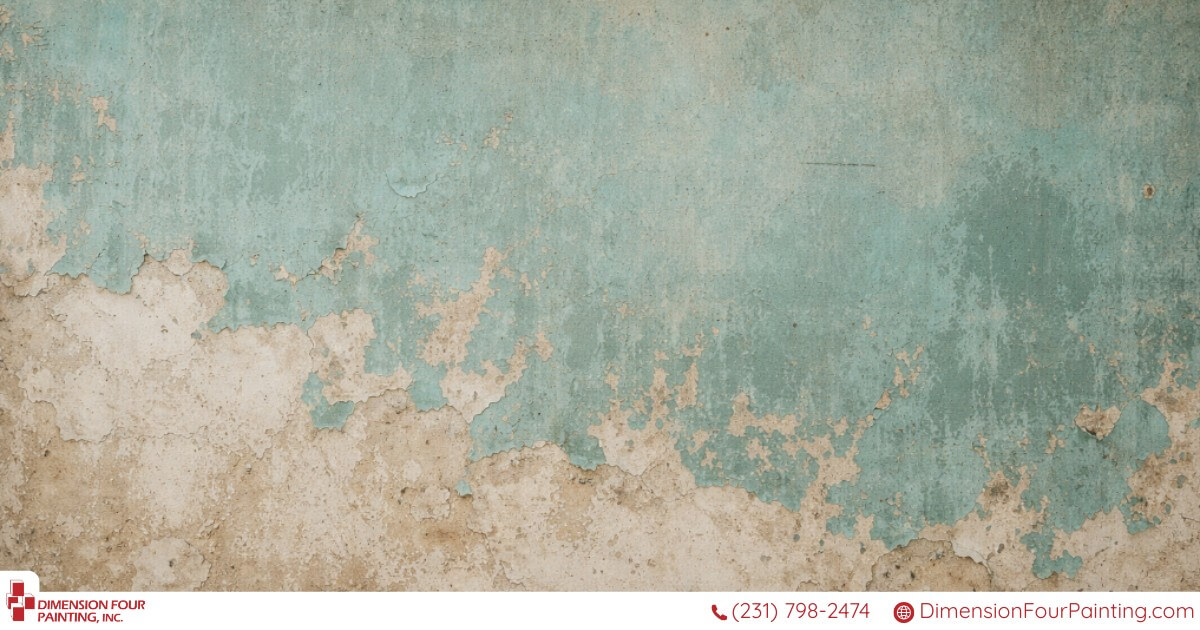
High-traffic areas naturally collect scuffs, marks, and stains from daily use. While some can be cleaned, others begin to embed into the surface, leaving walls looking dirty even after maintenance.
This typically occurs when the paint film has worn down and lost its protective properties. Once that outer layer weakens, contaminants can penetrate the surface instead of sitting on top, making them much harder – or impossible – to remove without repainting.
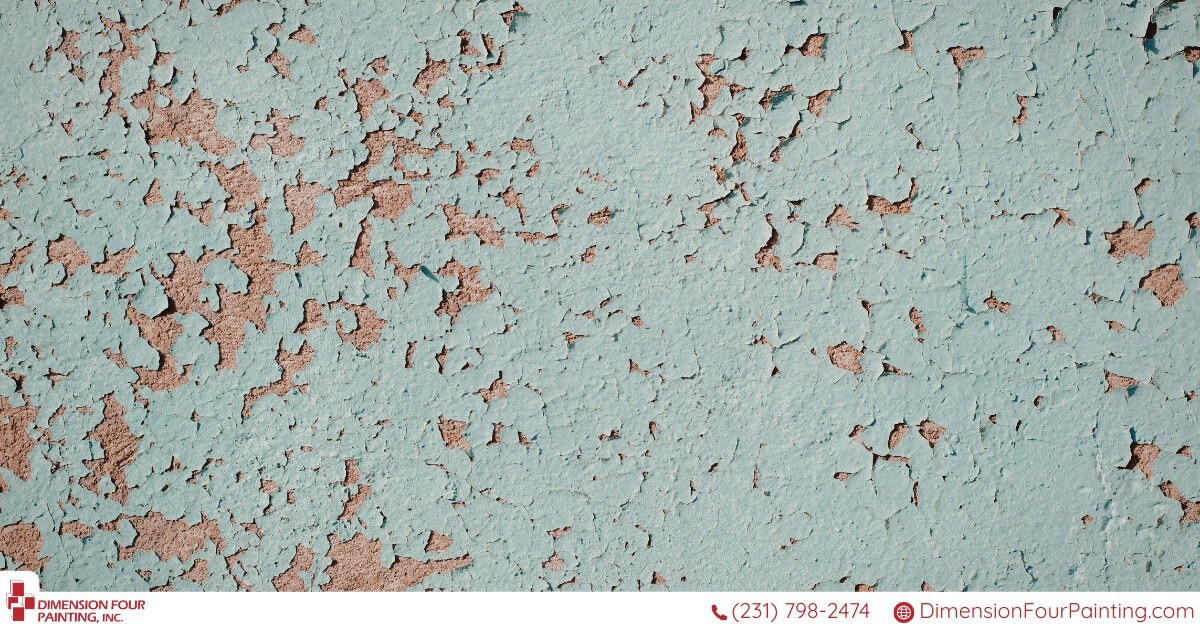
3. Peeling, Cracking, or Bubbling Paint
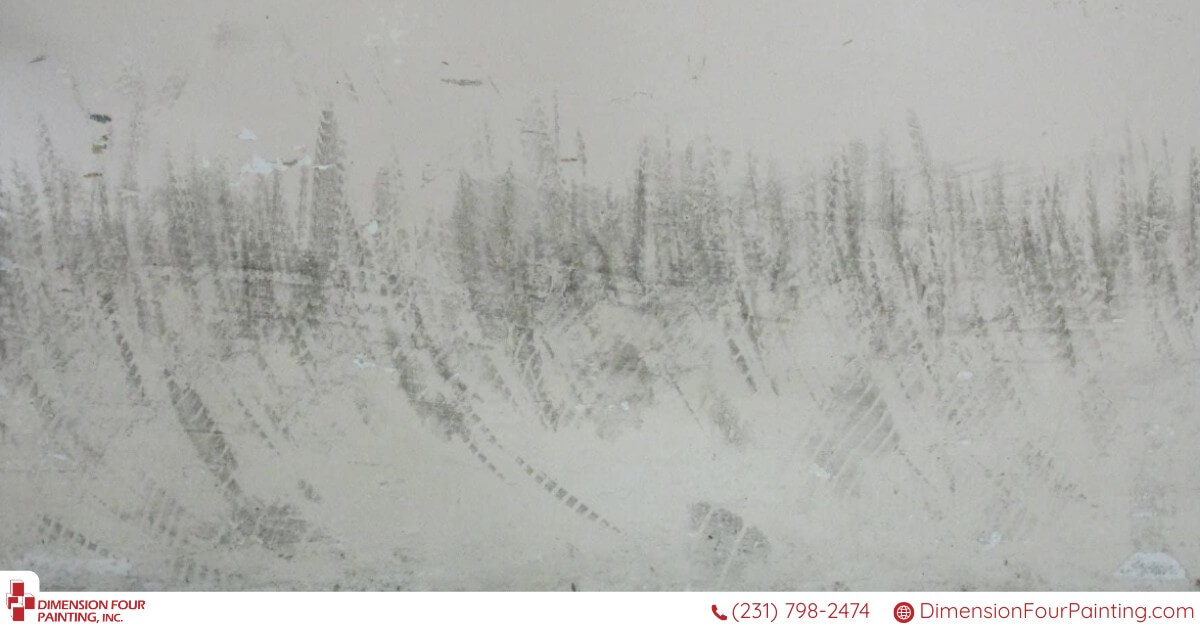
When paint begins to peel, crack, or bubble, it’s a clear sign that the coating is no longer performing as intended. These issues often spread quickly if left unaddressed and can significantly impact both appearance and protection.
This type of failure is usually caused by underlying problems such as moisture, poor adhesion, or simply the natural aging of the paint system. Once the bond between the paint and surface breaks down, the only reliable solution is proper surface preparation followed by repainting.
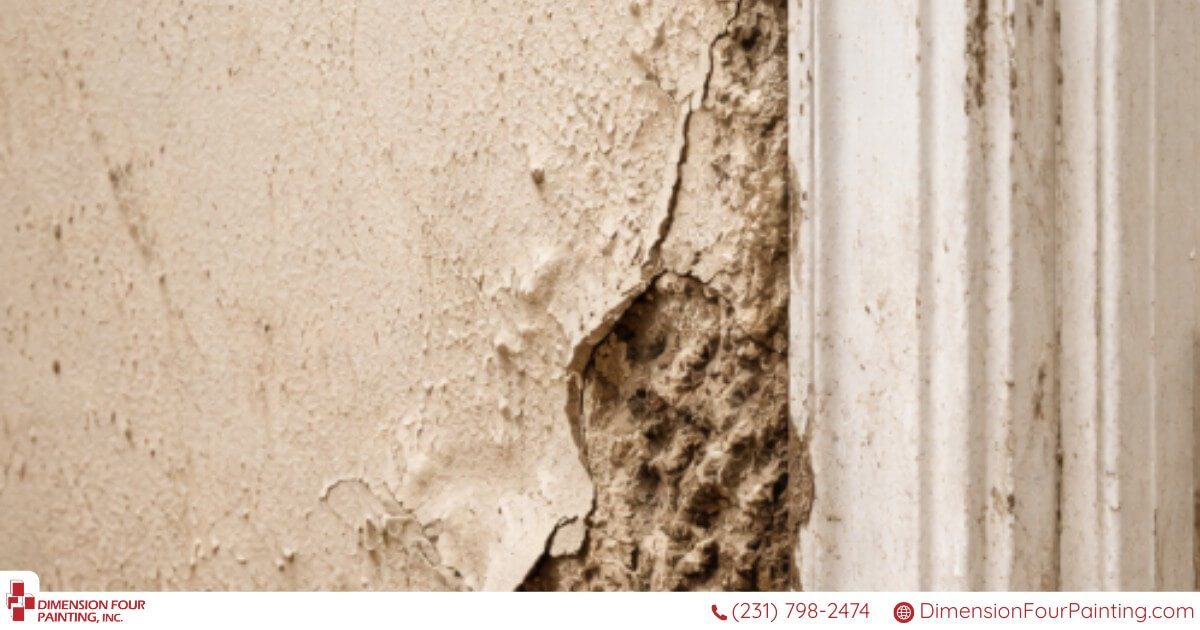
4. Visible Damage Around Corners and Doors
Corners, door frames, and edges are some of the most heavily used areas in any commercial space. These surfaces are constantly exposed to contact from people, carts, and equipment, making them more prone to chipping and wear.
This damage occurs because these areas absorb repeated impact over time, wearing through the paint faster than flat wall surfaces. When these spots begin to break down, it’s often a sign that the entire area is approaching the end of its coating life – not just isolated sections.
5. Your Space Looks Outdated or Inconsistent
Even if the paint is still intact, a space can begin to feel outdated or mismatched over time. Changes in branding, lighting, or interior design can make previously suitable colors feel out of place.
This happens as businesses evolve while the physical environment stays the same. Repainting allows you to realign your space with your current brand and create a more cohesive, modern, and professional appearance across all areas.
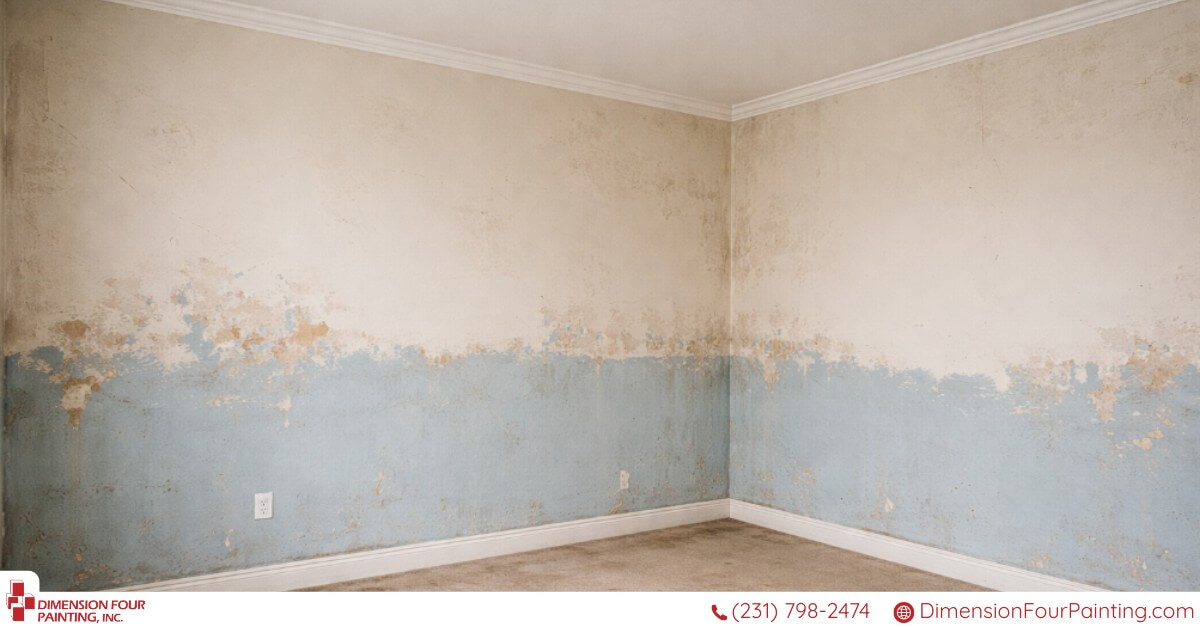
The Cost of Waiting Too Long
Delaying repainting may seem like a cost-saving decision, but it usually leads to more expensive work later. As paint continues to wear down, surfaces become harder to clean, stains set deeper, and minor imperfections turn into visible damage that requires more extensive preparation.
Once coatings begin to fail, repainting is no longer a simple refresh. Repairs, additional labor, and longer downtime often become necessary. Repainting before surfaces reach that point keeps the process faster, cleaner, and far more cost-effective.
Proactive Paint Maintenance vs Reactive Repainting
The most effective way to manage commercial paint is to stay ahead of wear, not react to it. Proactive repainting keeps your facility looking consistent and professional while preventing small issues from turning into larger, more expensive problems.
Reactive repainting, on the other hand, usually happens when the building already looks worn or damaged. At that point, timelines become tighter, disruption increases, and the scope of work expands. Facilities that plan ahead maintain better control over both appearance and cost.
How to Plan Your Repainting Schedule
A well-structured repainting plan helps eliminate guesswork and keeps your building consistently maintained. Regular walkthroughs allow you to identify high-traffic areas early and prioritize sections that show the most wear before they become noticeable problems.
Planning repainting in phases, rather than all at once, also helps reduce disruption and spread costs over time. Many businesses align repainting with other maintenance or renovation work, creating a more efficient schedule that keeps operations running smoothly.
Interior vs Exterior Repainting Considerations
Interior repainting is primarily driven by usage. High-traffic areas, frequent cleaning, and daily wear all influence how quickly surfaces break down. Lighting conditions, humidity, and even brand updates can also affect when repainting becomes necessary.
Exterior repainting follows a different timeline, as it is heavily influenced by weather exposure. Sunlight, moisture, temperature changes, and seasonal conditions all impact how long exterior coatings last, making maintenance cycles less predictable than interior spaces.
If you would prefer to have a professional do it, please read our guide: Choosing the Right Commercial Painter in West Michigan: What Businesses Should Look For.
How to Plan Your Repainting Schedule
A simple plan can make a big difference. Most commercial buildings benefit from:
- Annual walkthrough inspections
- Identifying high-traffic wear zones
- Scheduling phased repainting instead of full shutdowns
- Aligning repainting with other maintenance (like flooring or renovations)
This approach spreads cost over time and keeps your building looking consistently maintained.
Interior vs Exterior Repainting Considerations
While this guide focuses on interiors, it’s worth noting that exterior repainting follows different timelines due to weather exposure.
Interior repainting is driven more by:
- Traffic and usage
- Cleaning frequency
- Brand updates
- Environmental conditions (humidity, lighting)
Exterior repainting, on the other hand, is more influenced by weather and environmental exposure.
Stay Ahead of Wear, Not Behind It
Knowing when to repaint interior walls for upkeep is about recognizing early signs and planning ahead. Waiting until paint fails completely leads to higher costs, more disruption, and a less professional environment.
A well-maintained paint system keeps your building clean, consistent, and aligned with your brand without the need for constant repairs.
If your walls are showing signs of wear, fading, or damage, it may be time to take action.
Ready to Refresh Your Space?
📞 Call 231-798-2474 today to discuss your project, or request your free, no-obligation commercial painting estimate online. Let’s keep your building looking sharp, professional, and ready for the long haul.