When a business needs painting work done, the first thought is usually simple: the building needs a fresh coat of paint. But professional commercial painting services involve much more than applying color to walls. A good commercial painting project includes planning, preparation, product selection, scheduling, safety, cleanup, and long-term protection.
For business owners and facility managers, this matters because commercial spaces are used differently than homes. Offices, clinics, warehouses, schools, retail spaces, and industrial facilities all have different surfaces, traffic levels, cleaning needs, and operating schedules. The paint system has to match the way the building is used.
That is why hiring a professional commercial painter is not just about getting a cleaner finish. It is about protecting your property, minimizing disruption, and making sure the finished work supports your business for years to come.
If you are comparing painting services for commercial establishments, here is what should typically be included.
Site Walk, Planning, and Project Scope
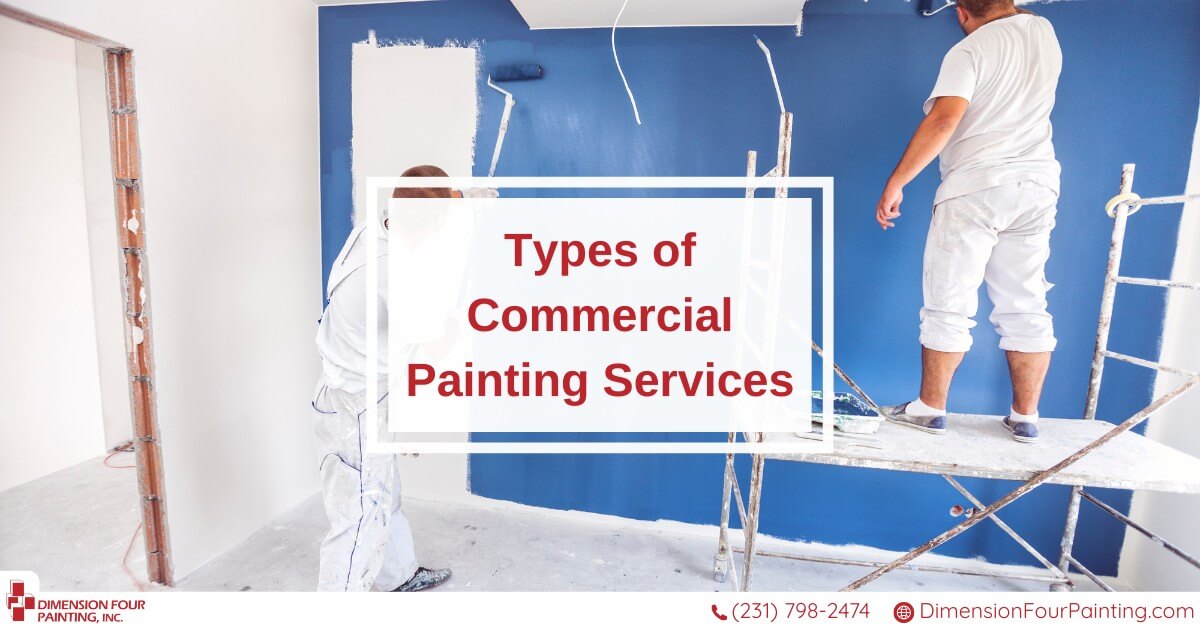
Every successful commercial painting project starts with a clear understanding of the building. Before any paint is ordered, a contractor should walk the site, inspect the surfaces, understand your goals, and identify any conditions that could affect the project.
During this evaluation, a professional commercial painter will typically review:
- Existing paint and surface conditions
- Signs of moisture intrusion or damage
- High-traffic and high-wear areas
- Access limitations and safety requirements
- Business hours and operational schedules
- Customer, employee, or tenant movement
- Areas requiring special protection or containment
A medical facility, for example, has very different requirements than a warehouse, office, or manufacturing plant. Understanding how the building functions helps the contractor recommend the right coatings, schedule, and application methods.
From there, the contractor should provide a written scope outlining what will be painted, which products will be used, how surfaces will be prepared, and how the work will be phased if the facility remains occupied. A clear scope helps avoid surprises and gives business owners a more accurate way to compare proposals.
Interior Commercial Painting
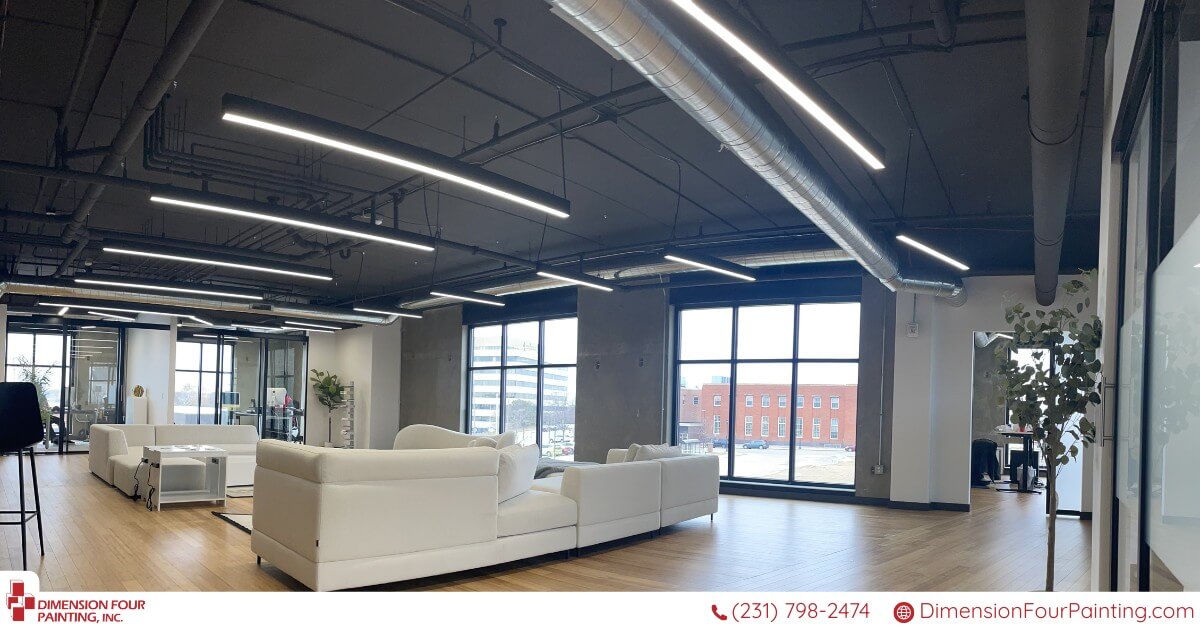
Interior painting is one of the most common commercial painting services, but it still requires careful planning. Commercial interiors often include offices, lobbies, corridors, conference rooms, classrooms, exam rooms, waiting areas, restrooms, stairwells, and employee spaces.
The goal is not only to make the space look better. The right interior paint should support durability, cleaning, lighting, branding, and comfort. In busy commercial spaces, walls need to handle scuffs, fingerprints, carts, cleaning products, and constant movement. Low-odor and low-VOC coatings may also be important when employees, patients, or customers remain nearby.
A professional commercial painter can help determine which finishes belong in each area. A lobby may need a sharp, brand-focused finish. A hallway may need a scrub-tough coating. A clinic or healthcare space may need a low-odor system that can handle frequent cleaning. Good interior painting is about matching the product to the space.
Exterior Commercial Painting
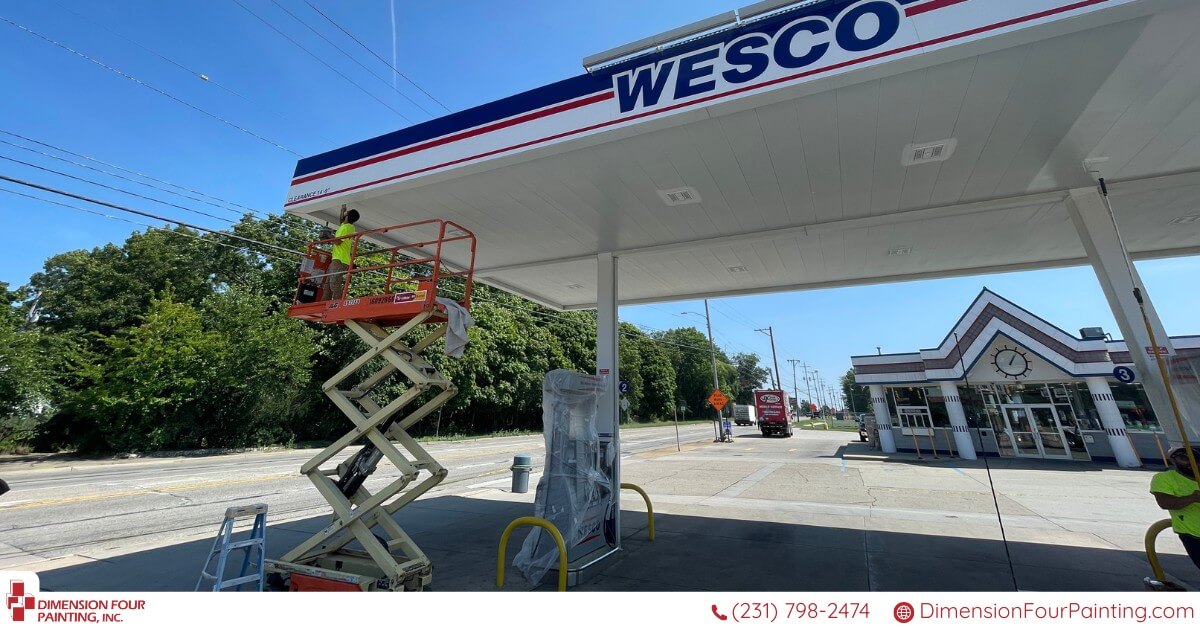
Exterior painting protects the outside of your building from weather, moisture, UV exposure, and daily wear. In West Michigan, exterior surfaces have to deal with sun, snow, wind, rain, humidity, and freeze-thaw cycles. A cheap or poorly prepared exterior paint job may look fine at first, but it can fail quickly once exposed to the elements.
Exterior commercial painting may include masonry, metal panels, stucco, block walls, trim, doors, frames, railings, canopies, facades, and other building surfaces. The process usually requires cleaning, scraping, sanding, priming, caulking, repairs, and proper coating selection.
A professional contractor should not simply apply paint over old problems. They should identify peeling, cracking, chalking, rust, moisture issues, and failing coatings before the work begins. Exterior painting is a protection system, not just a cosmetic update.
Surface Preparation
Surface preparation is one of the most important parts of commercial painting. In many cases, the final result is only as strong as the prep work underneath it. Skipping preparation may save time in the moment, but it often leads to peeling, bubbling, staining, uneven coverage, or early repainting.
Commercial surface preparation may include washing, degreasing, scraping, sanding, patching, caulking, priming, repairing cracks, removing loose coatings, and creating the right surface profile for adhesion. Industrial spaces may require more advanced preparation, especially when surfaces are exposed to moisture, chemicals, dust, equipment, or heavy wear.
For business owners, this is where professional commercial painting services deliver real value. Proper preparation helps the coating last longer, look cleaner, and perform better under daily use.
Specialty Coatings and High-Performance Finishes
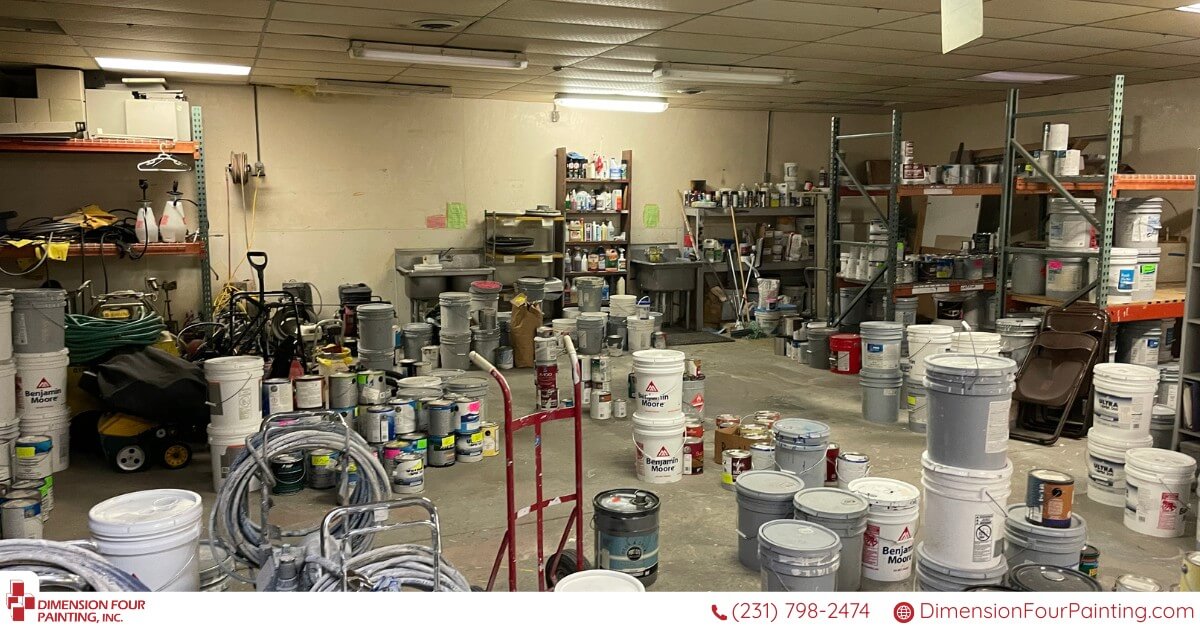
Not every commercial space needs basic wall paint. Some areas require specialty coatings designed for specific performance needs. These coatings may improve durability, cleanability, moisture resistance, scuff resistance, corrosion protection, or visual appeal.
Specialty coating options may include architectural coatings, scuff-resistant finishes, elastomeric coatings, industrial coatings, anti-corrosion systems, low-VOC coatings, washable finishes, and coatings designed for high-traffic commercial environments.
For example, a healthcare facility may need scrub-tough finishes that stand up to routine disinfecting. A manufacturing plant may need coatings that resist abrasion or corrosion. A school or office may benefit from durable wall systems that hold up against daily traffic. Specialty coatings help the paint system do more than look good.
Industrial Painting Services
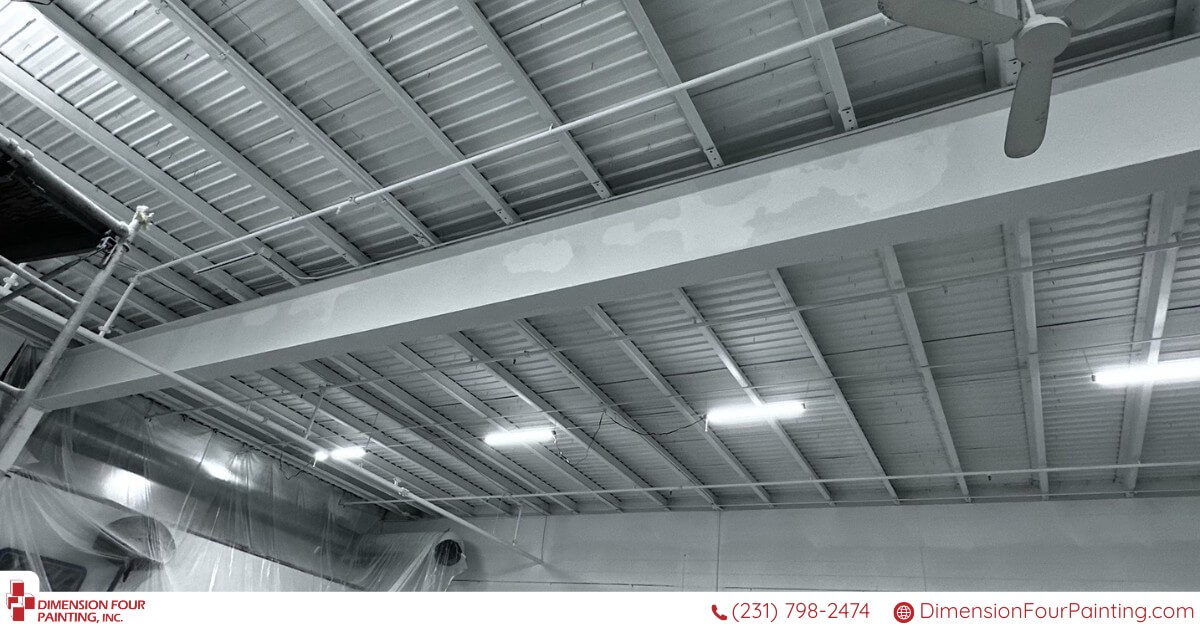
For businesses with warehouses, manufacturing plants, equipment rooms, or production areas, industrial painting may be part of the scope. Industrial painting focuses on durability, protection, safety, and long-term performance in demanding environments.
This can include painting steel structures, ceilings, piping, tanks, machinery, equipment, block walls, production areas, and exterior industrial surfaces. These spaces often require stronger surface preparation, specialized coatings, and careful coordination around operations.
Industrial painting is not something every general painter is equipped to handle. It requires knowledge of substrates, exposure conditions, safety requirements, coating systems, and production schedules. When done correctly, it helps protect assets, reduce corrosion, improve visibility, and extend maintenance cycles.
Machine and Equipment Painting
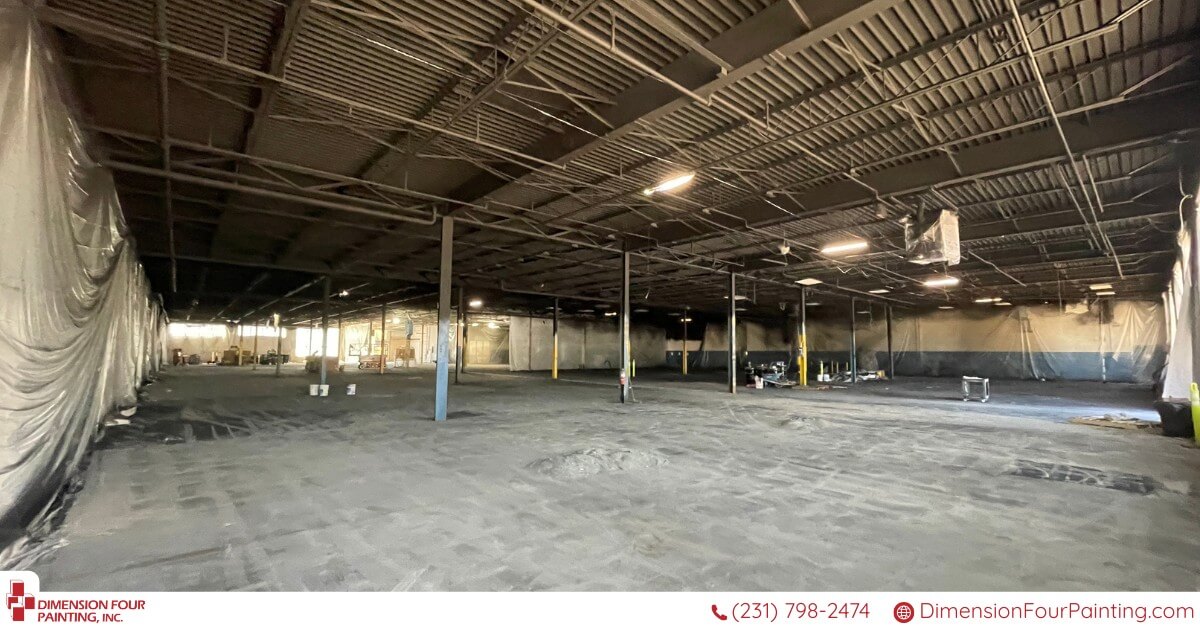
Some commercial painting contractors also provide machine and equipment painting. This service helps restore and protect the assets businesses rely on every day. It may include production equipment, frames, guards, panels, compressors, pumps, tanks, carts, racks, and other metal components.
Machine and equipment painting usually requires careful degreasing, masking, surface preparation, and coating selection. The contractor must protect controls, labels, moving parts, sensitive components, and surrounding equipment. The work also needs to be scheduled in a way that reduces downtime.
For manufacturers and industrial facilities, this service can improve appearance, safety visibility, corrosion resistance, and equipment longevity.
Floor Coatings
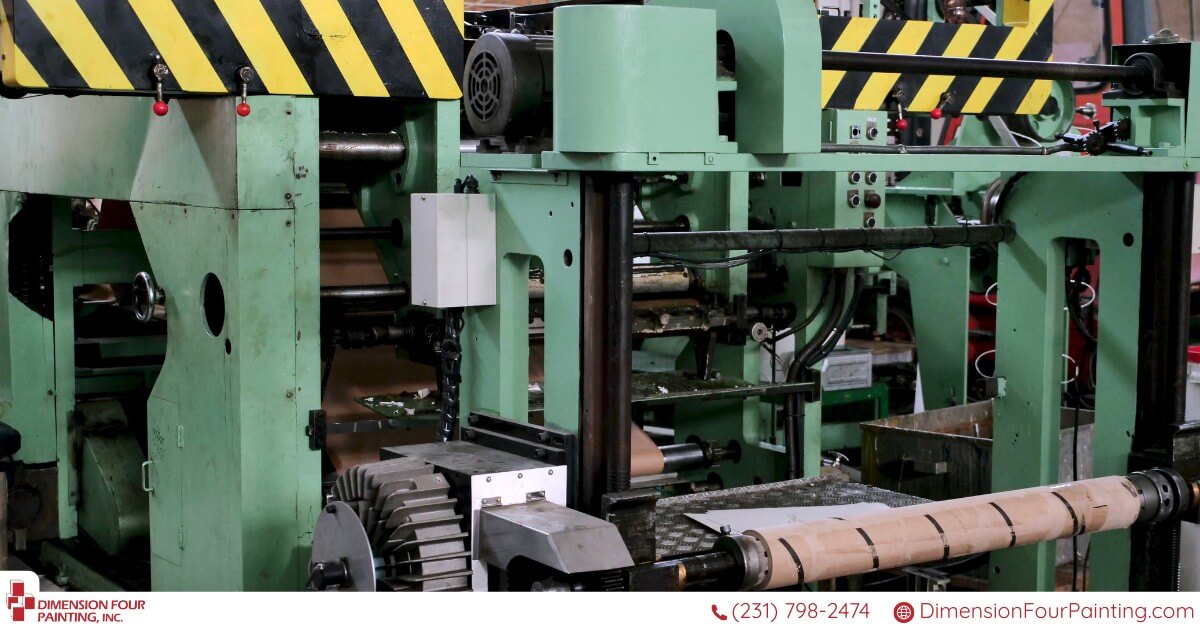
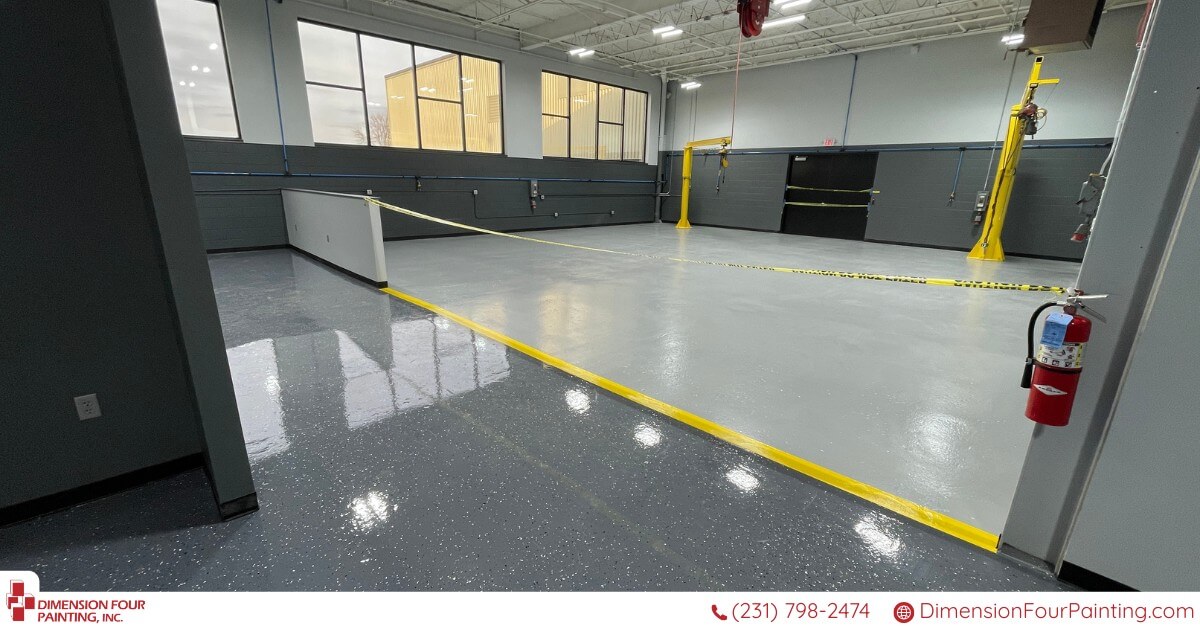
Commercial and industrial floor coatings are another important service. Floors in business environments take constant abuse from foot traffic, carts, forklifts, spills, cleaning, moisture, and equipment movement. Standard floor paint often cannot handle those conditions for long.
Professional floor coating services may include epoxy systems, urethane topcoats, non-slip additives, chemical-resistant coatings, line striping, and decorative or functional finishes. The process usually requires surface testing, grinding or profiling, crack repair, priming, and controlled application.
Floor coatings can improve safety, make cleaning easier, brighten the workspace, organize traffic flow, and protect the concrete underneath. For warehouses, production areas, maintenance shops, kitchens, and high-traffic commercial spaces, the right floor system can make a major difference.
Wallcovering Installation
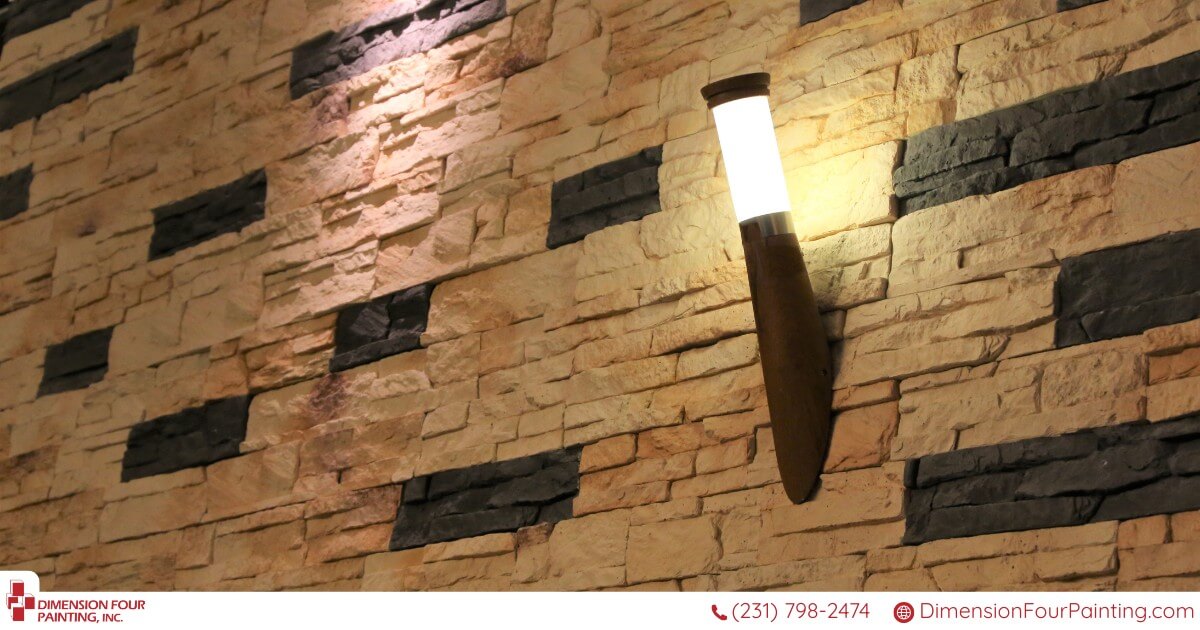
Commercial wallcoverings are often used in offices, healthcare spaces, hotels, retail locations, and other high-traffic interiors. They can add texture, branding, durability, and a more polished appearance than standard paint alone.
Professional wallcovering installation may include Type II or Type III commercial vinyls, specialty patterns, textured finishes, and branded materials. Proper installation requires accurate layout, seam alignment, substrate preparation, adhesive selection, and careful finishing.
Poor wallcovering installation is easy to notice. Misaligned seams, bubbles, lifting edges, and pattern mistakes can make a space look unfinished. Professional installation helps create a cleaner, longer-lasting result.
Power Washing and Pre-Paint Cleaning
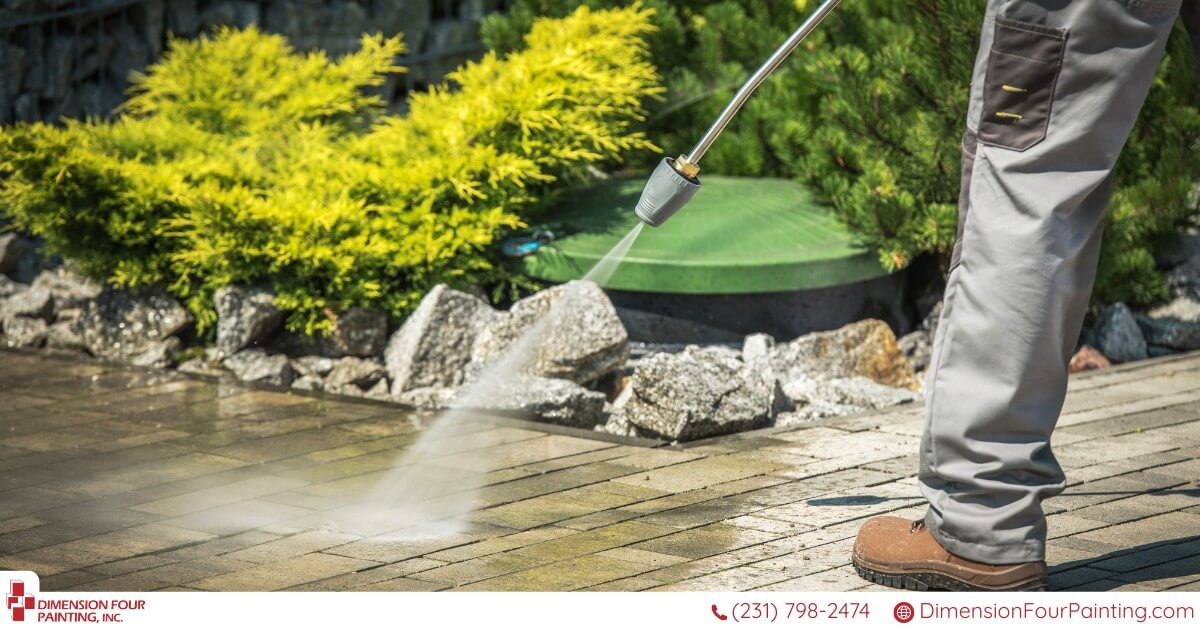
Power washing is often part of exterior commercial painting, but it can also be used as a standalone maintenance service. It helps remove dirt, mildew, loose coatings, salt, algae, grease, and surface contaminants from commercial buildings and exterior surfaces.
Before painting, washing is often essential. Paint needs a clean, stable surface to bond properly. Applying paint over dirt, chalky residue, mildew, or loose material can shorten the life of the coating.
Commercial power washing may include building exteriors, sidewalks, walkways, loading docks, service areas, and surfaces that need preparation before repainting. The right contractor will adjust pressure, temperature, and cleaning methods based on the surface to avoid damage.
Scheduling Around Business Operations
One of the biggest differences between residential painting and commercial painting is scheduling. Businesses cannot always stop operating just because painting work is happening. Professional commercial painting services should include a plan for minimizing disruption.
That may mean nights, weekends, phased work areas, early mornings, or coordination around shutdowns. In occupied buildings, crews must also protect pathways, control odors, manage noise, and keep work zones organized.
This is especially important in offices, clinics, schools, retail spaces, and industrial facilities where employees, customers, patients, or vendors may still be present. A good commercial painter understands that the project must fit around the business, not the other way around.
Cleanup, Communication, and Final Walkthrough
A professional commercial painting project should include clear communication throughout the job. Business owners and facility managers should know what areas are being worked on, what comes next, and whether any schedule changes are needed.
Daily cleanup is also important. Commercial spaces need to stay safe and presentable, especially when the building remains open. Crews should remove debris, organize materials, protect finished areas, and leave pathways clear.
At the end of the project, there should be a final walkthrough. This gives the contractor and client a chance to review the work, address touch-ups, confirm colors and finishes, and close out the project properly. The best commercial painters do not disappear after the final coat dries. They make sure the result meets expectations.
How to Know Which Services Your Building Needs
Not every business needs every painting service. The right scope depends on your building type, surface condition, budget, schedule, and long-term goals.
A small office may need interior repainting, accent walls, and after-hours scheduling. A clinic may need low-odor coatings, washable finishes, and careful phasing around patients. A warehouse may need durable wall coatings, safety markings, floor coatings, and power washing. An industrial facility may need equipment painting, corrosion protection, and production-friendly scheduling.
Here is a simple way to think about it:
| Business Need | Service That May Help |
| Refreshing customer-facing areas | Interior commercial painting |
| Protecting exterior surfaces | Exterior commercial painting |
| Reducing wear in high-traffic areas | Durable wall coatings or specialty finishes |
| Improving floor safety and durability | Epoxy or urethane floor coatings |
| Preparing a building for repainting | Power washing and surface preparation |
| Updating healthcare spaces | Low-odor, washable medical facility coatings |
| Protecting machinery or metal assets | Machine and equipment painting |
| Improving interior durability and design | Commercial wallcovering installation |
A professional contractor should help you prioritize what matters most instead of selling services you do not need.
Commercial Painting Is a Complete Service, Not Just Paint
Commercial painting services include much more than applying paint to walls. A complete project may involve planning, surface preparation, interior painting, exterior painting, industrial coatings, floor systems, wallcoverings, power washing, equipment painting, scheduling, cleanup, and long-term maintenance planning.
For business owners, the value is in getting the right work done the right way. Professional painting services for commercial establishments help protect your building, improve appearance, reduce disruption, and extend the life of your finishes.
Dimension Four Painting provides commercial and industrial painting services across West Michigan, including Muskegon, Ludington, Shelby, Grand Haven, Holland, and Coopersville. With generations of painting experience and a process built around active businesses, our team helps commercial facilities look better, perform better, and stay protected for the long haul.
Ready to protect your facility?
📞 Call 231-798-2474 today to discuss your project, or request your free, no-obligation commercial painting estimate online. Let’s get your business looking its best with professional commercial painting services built around your operations.